
Nesse poema, de uma autora de ascendência indígena, o eu lírico ressalta a
Só você vê suas anotações.
Carregando comentários…
94 questões encontradas · página 2 de 10
Nesse poema, de uma autora de ascendência indígena, o eu lírico ressalta a
Carregando comentários…
Nesse texto, a expressão “snowflake generation” é usada para
Carregando comentários…
Crie sua conta gratuita em menos de 1 minuto e acompanhe sua nota estimada por área.
Nesse texto, a pergunta “What is sleep?”, em uma das embalagens do produto, está relacionada ao(à)
Carregando comentários…
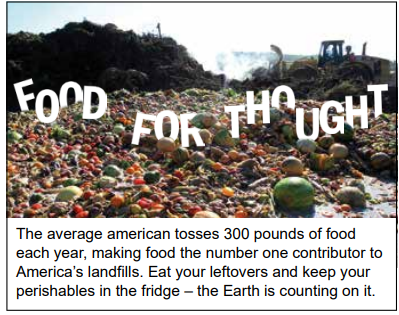
Disponível em: https://mir-s3-cdn-cf.behance.net. Acesso em: 29 out. 2021 (adaptado).
Esse cartaz de campanha sugere que
Carregando comentários…
No man is an island, Entire of itself; Every man is a piece of the continent, A part of the main. [...] Any man’s death diminishes me, Because I am involved in mankind.
DONNE, J. The Works of John Donne. Londres: John W. Parker, 1839 (fragmento).
Nesse poema, a expressão “No man is an island”ressalta o(a)
Carregando comentários…
Things We Carry on the Sea
We carry tears in our eyes: good-bye father, good-bye [mother
We carry soil in small bags: may home never fade in our [hearts We carry carnage of mining, droughts, floods, genocides
We carry dust of our families and neighbors incinerated [in mushroom clouds
We carry our islands sinking under the sea We carry our hands, feet, bones, hearts and best minds [for a new life
We carry diplomas: medicine, engineer, nurse, [education, math, poetry, even if they mean [nothing to the other shore
We carry railroads, plantations, laundromats, [bodegas, taco trucks, farms, factories, nursing [homes, hospitals, schools, temples... built on [our ancestors’ backs
We carry old homes along the spine, new dreams in our [chests
We carry yesterday, today and tomorrow
We’re orphans of the wars forced upon us
We’re refugees of the sea rising from industrial wastes
And we carry our mother tongues
[...]
As we drift... in our rubber boats... from shore... to shore... [to shore...
PING, W. Disponível em: https://poets.org. Acesso em: 1 jun. 2023 (fragmento).
Ao retratar a trajetória de refugiados, o poema recorre à imagem de viagem marítima para destacar o(a)
Carregando comentários…
Spanglish
pues estoy creando Spanglish bi-cultural systems scientific lexicographical inter-textual integrations two expressions existentially wired two dominant languages continentally abrazándose in colloquial combate imperio spanglish emerges sobre territorio bi-lingual las novelas mexicanas mixing with radiorocknroll immigrant/migrant nasal mispronouncements hip-hop, street salsa, spanish pop standard english classroom with computer technicalities spanglish is literally perfect
LAVIERA, T. Benedición: The Complete Poetry of Tato Laviera. Houston: Arte Público Press, 2014 (fragmento).
Nesse poema de Tato Laviera, o eu lírico destaca uma
Carregando comentários…
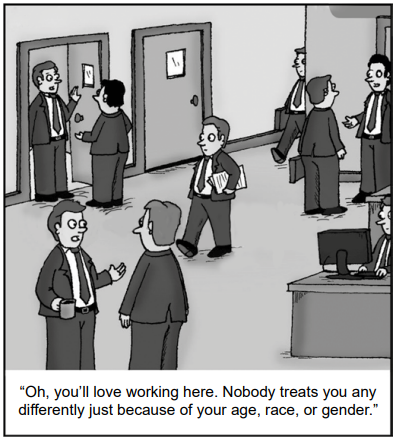
Disponível em: www.cartoonstock.com. Acesso em: 25 out. 2021.
Ao retratar o ambiente de trabalho em um escritório, esse cartum tem por objetivo
Carregando comentários…
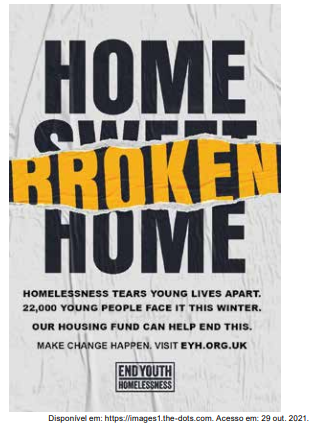
Por meio de recursos verbais e não verbais, esse cartaz de campanha objetiva
Carregando comentários…
“We won’t ruin Mars. It’s too big and too good.” said the captain.
“You think not? We Earth Men have a talent for ruining big, beautiful things. The only reason we didn’t set up hot-dog stands in the midst of the Egyptian temple of Karnak is because it was out of the way and served no large commercial purpose. And Egypt is a small part of Earth. But here, this whole thing is ancient and different, and we have to set down somewhere and start fouling it up. We’ll call the canal the Rockefeller Canal and the mountain King George Mountain and the sea the Dupont Sea, and there’ll be Roosevelt and Lincoln and Coolidge cities, and it won’t ever be right, when there are the proper names for these places.”
BRADBURY, R. And the Moon Be Still as Bright. In: The Martian Chronicles. Londres: Harper Collins, 2014.
Nesse fragmento de um conto do autor Ray Bradbury, o personagem revela ao capitão
Carregando comentários…